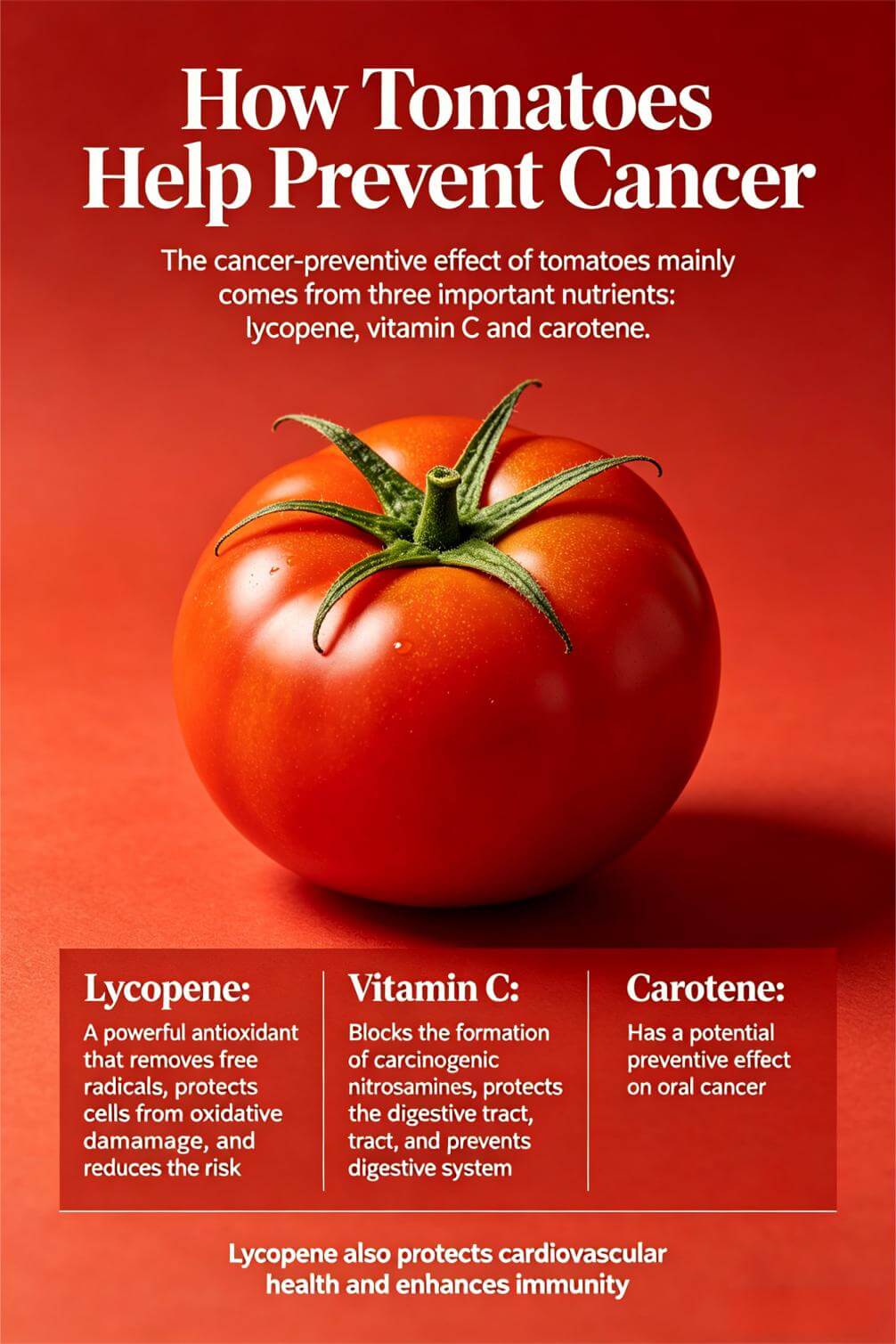
How Tomatoes Help Prevent Cancer
The cancer-preventive effect of tomatoes mainly comes from three important nutrients: lycopene, vitamin C and carotene. Lycopene is a powerful antioxidant that can remove free radicals in the body, protect cells from oxidative damage, and help reduce the risk of prostate, esophageal, oral, gastric, colorectal and lung cancer. Vitamin C can block the formation of carcinogenic nitrosamines and protect the digestive tract, which is beneficial to preventing digestive system cancers. Carotene also has a potential preventive effect on oral cancer. In addition, lycopene can also protect cardiovascular health and enhance immunity.
Kinds of Tomatoes to Avoid
- Black-spotted tomatoes: They are contaminated by fungi, which produce carcinogenic toxins. Even if the rotten part is cut off, the surrounding area may still have toxins, so they should be thrown away directly.
- Unripe green tomatoes: They contain solanine, a toxic substance. Eating them may cause nausea, vomiting and other poisoning symptoms, which are harmful to health.
- Excessive raw tomatoes: Long-term large-scale raw consumption will irritate the throat and esophageal mucosa, leading to mucosal damage and other problems.
Healthy Eating Suggestions
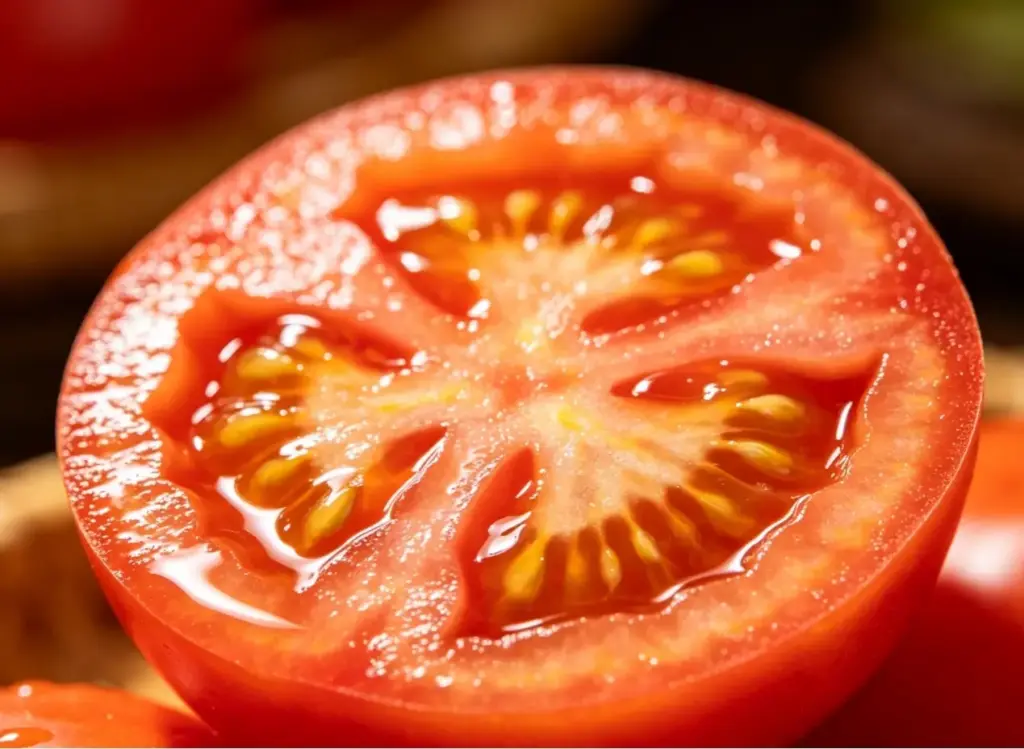
For adults, it is recommended to eat 150–300 grams (about 1–2 medium-sized) fresh tomatoes every day. It should be noted that lycopene is more easily absorbed when heated with oil, so cooking tomatoes (such as scrambled eggs with tomatoes, tomato soup) is a better way to eat them than eating them raw.
Kinds of Tomatoes to Avoid
- Black-spotted tomatoes: They are contaminated by fungi, which produce carcinogenic toxins. Even if the rotten part is cut off, the surrounding area may still have toxins, so they should be thrown away directly.
- Unripe green tomatoes: They contain solanine, a toxic substance. Eating them may cause nausea, vomiting and other poisoning symptoms, which are harmful to health.
- Excessive raw tomatoes: Long-term large-scale raw consumption will irritate the throat and esophageal mucosa, leading to mucosal damage and other problems.


_1.webp)